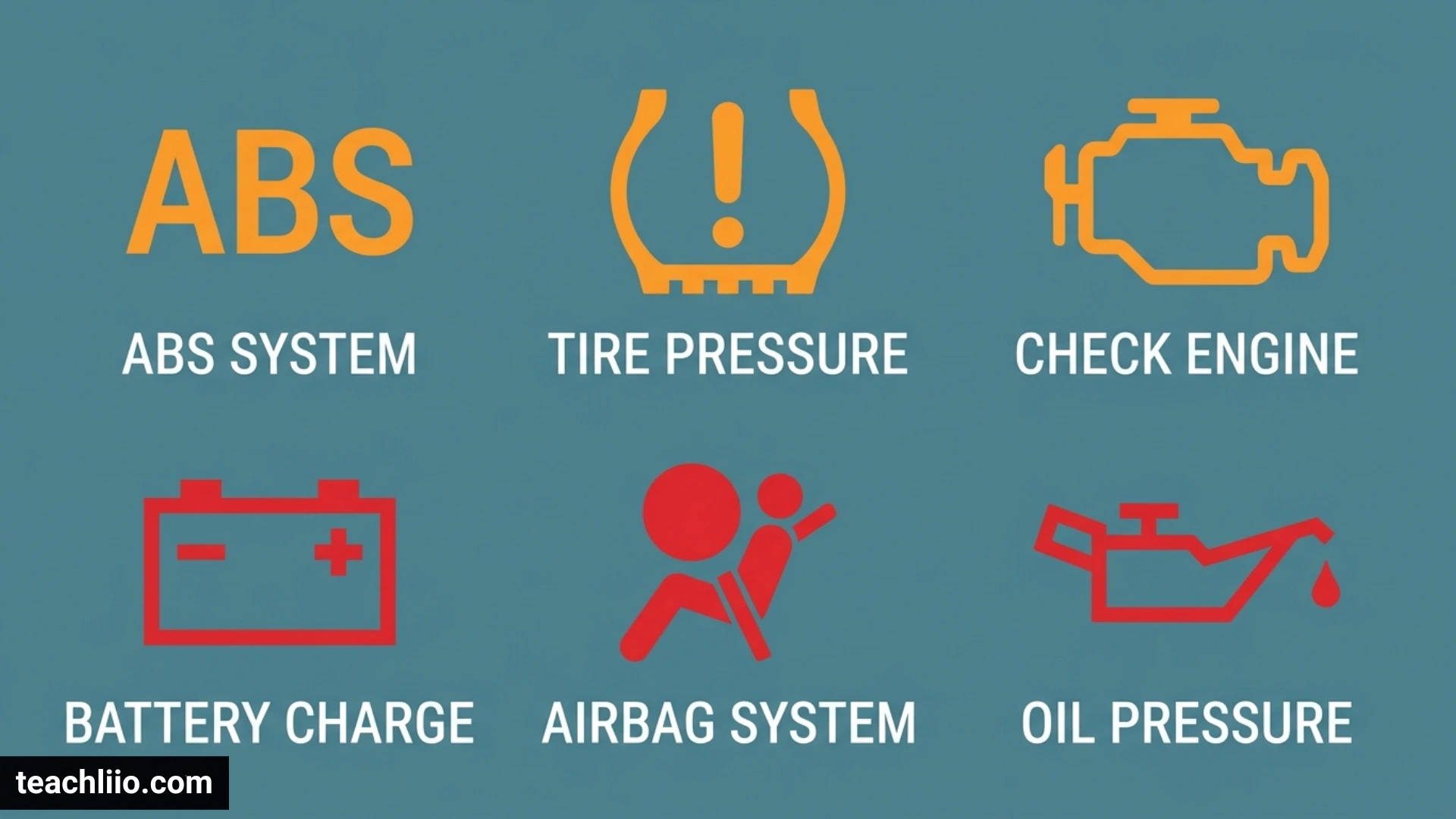
Lexus dashboard warning lights symbols help you understand what is happening with your vehicle. Some symbols indicate that a feature is working normally, while others warn you about problems with the engine, brakes, tires, battery, or safety systems. Recognizing these lights can help you respond quickly, avoid unnecessary repairs, and make safer driving decisions.
Whether you drive a Lexus ES, RX, NX, IS, GX, LX, UX, or a hybrid model, knowing the meaning of your dashboard symbols is essential. However, warning lights can differ by model, model year, and powertrain, so always check your vehicle’s owner’s manual for exact instructions.
In this guide, you will learn the meanings of more than 35 common Lexus dashboard warning lights and indicators, discover which warnings require immediate attention, and find practical troubleshooting advice for common dashboard problems.
What Do Lexus Dashboard Warning Lights Mean?
Lexus dashboard lights communicate information about your vehicle’s operating systems, maintenance needs, and safety features. The symbol’s shape, color, flashing pattern, and accompanying message help you understand what action may be necessary.
Red Dashboard Warning Lights
Red lights often indicate a serious problem or an important safety condition. Examples include the low engine oil pressure warning, high engine temperature warning, and certain brake-system warnings.
If a red warning indicates a serious fault, pull over safely and follow the instructions in your owner’s manual. Do not continue driving if doing so could damage the vehicle or compromise your safety.
Yellow or Amber Dashboard Warning Lights
Yellow and amber lights generally indicate a problem that needs attention. Examples include the check engine light, ABS warning, and tire pressure warning.
Some amber warnings allow cautious driving to a repair facility, while others require you to stop. Never assume that every amber warning is safe to ignore.
Green, Blue, and White Indicator Lights
Green, blue, and white indicators commonly show that a vehicle feature is active or available. Examples include turn signals, high-beam headlights, and certain cruise-control indicators.
These lights are usually informational rather than fault warnings, but their precise meanings depend on the vehicle.
Lexus Dashboard Warning Lights Symbols and Meanings Chart
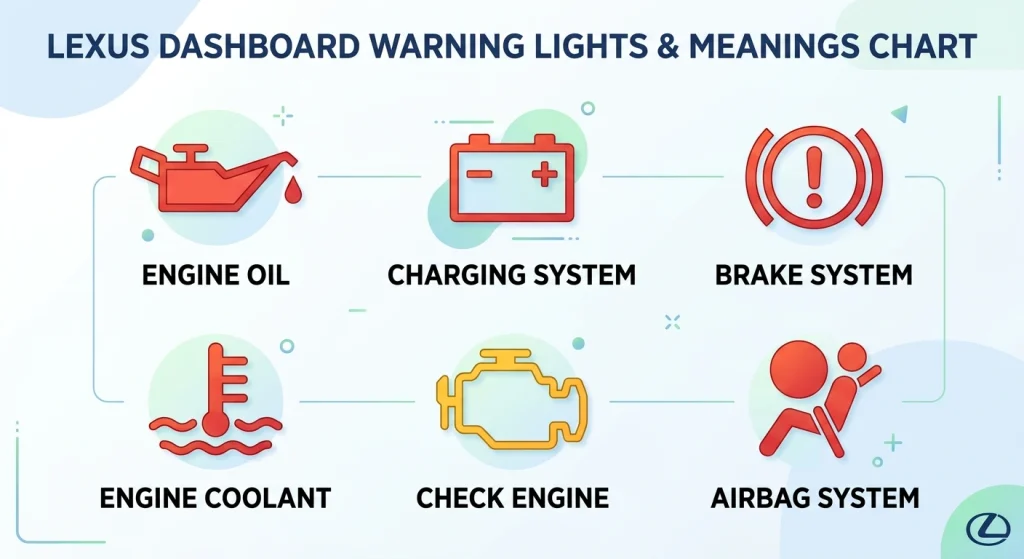
Use this quick-reference chart to identify common dashboard lights. The descriptions are general guidance, not a complete list for every Lexus vehicle.
| Dashboard symbol or label | Meaning | Recommended action |
| Engine outline | Engine or emissions-system fault | Arrange diagnosis; treat a flashing light urgently |
| Oil can | Low engine oil pressure | Stop safely and switch off the engine |
| Red BRAKE or brake symbol | Brake-system problem or parking brake engaged | Check the parking brake; stop if the warning persists |
| ABS | Anti-lock braking system fault | Drive cautiously only if normal braking remains safe |
| Tire with exclamation mark | Low tire pressure or TPMS fault | Check tire pressure and inspect for damage |
| Battery with plus and minus signs | Charging-system problem | Arrange prompt assistance |
| Thermometer over wavy lines | Engine coolant temperature too high | Stop safely and allow the engine to cool |
| Person with airbag | SRS or airbag-system fault | Arrange professional inspection |
| Steering wheel with exclamation mark | Power steering fault | Stop if steering becomes difficult |
| Triangle with exclamation mark | Master warning | Read the dashboard message |
| Car with wavy lines | Traction or stability control operating or fault | Reduce speed; check if the light stays on |
| Fuel pump | Low fuel level | Refuel soon |
| Seat belt symbol | Seat belt not fastened | Fasten the seat belts |
| Open-door symbol | A door is not fully closed | Close the doors securely |
| Windscreen with spray | Low washer fluid | Refill the washer reservoir |
| P or parking brake symbol | Parking brake status or fault | Check the brake and display message |
| SRS or airbag label | Restraint-system problem | Seek professional inspection |
| PCS warning | Pre-Collision System unavailable or faulty | Check the message and sensor areas |
| LDA or LTA | Lane-assistance status or fault | Follow the displayed instructions |
| BSM | Blind Spot Monitor status or fault | Check the message and use mirrors carefully |
| READY | Hybrid vehicle is ready to move | Check the gear position before moving |
| EV indicator | Electric driving mode, where equipped | Monitor the vehicle’s normal displays |
| Cruise-control indicator | Cruise control status | Confirm the selected speed |
| High-beam symbol | High-beam headlights are on | Switch to low beams when appropriate |
| Turn signal arrow | Turn signal is active | Cancel the signal after turning |
| MAINT REQD | Scheduled maintenance reminder | Check the service schedule |
| Security indicator | Anti-theft system status | Consult the manual if starting is affected |
| Differential-lock indicator | Four-wheel-drive or differential-lock status | Follow the instructions for the equipped system |
| Parking assist indicator | Parking sensor or assistance status | Check for obstacles or a system fault |
| Hybrid system warning | Potential hybrid-system fault | Follow the displayed instructions |
| Stop & Start indicator | Stop-start system status | Check the manual if a fault is indicated |
| Speed limiter indicator | Speed-limiter status | Confirm the selected setting |
| Charging-cable indicator | Charging status on applicable models | Check the charging connection and display |
Important: Some symbols appear only on certain Lexus models or in particular markets. A symbol’s appearance and recommended action can also vary by year. The correct owner’s manual takes priority over a generic chart.
Common Lexus Dashboard Warning Lights Explained
1. Check Engine Light
The check engine light usually looks like an engine outline. It indicates that the vehicle’s diagnostic system has detected a problem involving the engine, emissions system, or another monitored component.
Possible causes include a fuel-system problem, a faulty sensor, an ignition fault, or an emissions-related issue.
What to do: If the light stays on steadily and the vehicle operates normally, arrange a diagnostic check soon. If it flashes, reduce engine load and stop driving as soon as it is safe, especially if the engine shakes or loses power. A flashing warning can indicate a misfire that may damage the catalytic converter.
2. Engine Oil Pressure Warning Light
This symbol looks like an oil can with a drop. It can indicate dangerously low engine oil pressure, which may prevent essential components from receiving proper lubrication.
What to do: Stop safely and switch off the engine promptly. Check the oil level only when it is safe. If the warning remains unresolved, do not continue driving or assume that adding oil has fixed the problem.
3. Brake System Warning Light
A red brake warning may appear as the word BRAKE or an exclamation mark inside a circle. It can indicate that the parking brake is engaged or that the braking system has a fault.
What to do: Check that the parking brake is fully released. If the warning remains on, particularly with an unusual brake pedal or reduced braking performance, stop safely and seek professional assistance.
4. ABS Warning Light
The ABS symbol contains the letters ABS inside a circle. It indicates a possible fault in the Anti-lock Braking System.
What to do: If normal braking remains effective and the owner’s manual permits it, drive cautiously and arrange an inspection. If the red brake warning also appears or braking feels abnormal, stop safely and seek assistance.
5. Tire Pressure Warning Light
The tire pressure symbol resembles a horseshoe-shaped tire with an exclamation mark. It indicates that one or more tires may be underinflated or that the tire-pressure monitoring system has a fault.
What to do: Check all tires when cold and inflate them to the pressure listed on the driver’s door-jamb placard. Inspect for punctures or visible damage. A flashing warning may indicate a monitoring-system problem.
6. Battery or Charging System Warning Light
This symbol looks like a battery with plus and minus signs. It usually indicates a problem with the charging system rather than simply confirming that the battery is old.
What to do: Reduce unnecessary electrical loads and arrange assistance promptly. The vehicle may lose electrical power or stall if charging fails. Stop safely if the vehicle’s behavior changes or other serious warnings appear.
7. Engine Coolant Temperature Warning Light
A thermometer above wavy lines may indicate that the engine is overheating.
What to do: Stop in a safe place and follow the vehicle’s overheating instructions. Allow the engine to cool before inspection. Never open a hot radiator cap or pressurized coolant reservoir.
8. Airbag or SRS Warning Light
The SRS warning often shows a seated person with a circle in front of them. It indicates a potential problem with airbags or seat-belt pretensioners.
What to do: Arrange a professional inspection promptly. Some restraint-system components may not work correctly during a collision. Do not attempt to repair airbag wiring yourself.
9. Power Steering Warning Light
A steering wheel with an exclamation mark can indicate a problem with the power steering system.
What to do: If steering becomes unusually heavy, pull over safely. Steering assistance may be reduced or unavailable. Do not continue if you cannot control the vehicle safely.
10. Master Warning Light
The master warning symbol often appears as a triangle containing an exclamation mark. It alerts you that the vehicle needs attention but does not identify a single fault.
What to do: Read the multi-information display and follow the message. The message may describe a minor issue or a serious condition requiring you to stop.
11. Traction Control and Stability Control Light
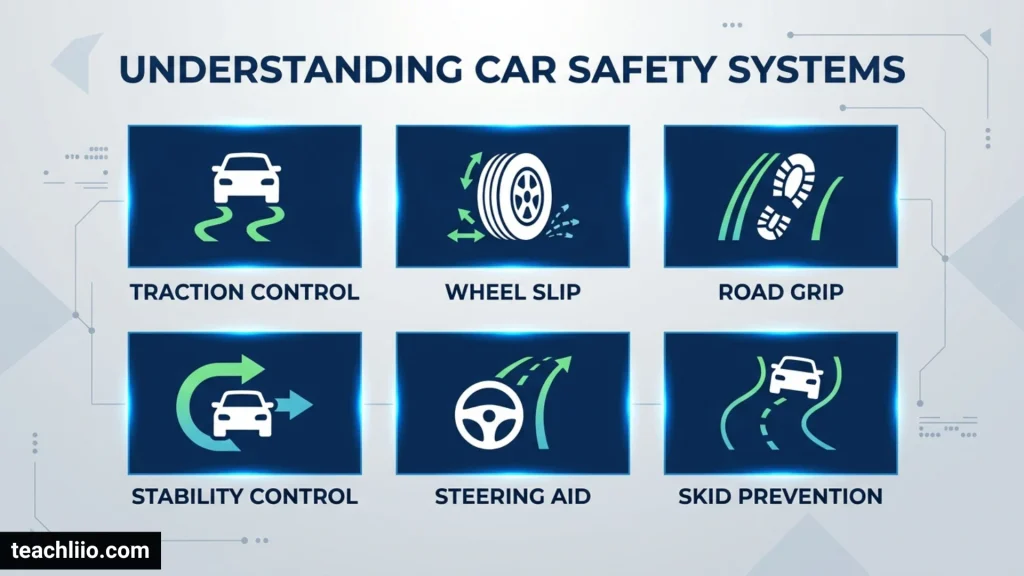
A car with wavy lines beneath it commonly relates to traction control or Vehicle Stability Control. Flashing may indicate that the system is actively helping maintain grip.
What to do: Reduce acceleration on slippery surfaces. If the indicator stays on, check the dashboard message and owner’s manual to determine whether the system is switched off or has a fault.
12. Hybrid System Warning
A message such as CHECK HYBRID SYSTEM can indicate a problem with the hybrid powertrain or a related component.
What to do: Follow the displayed instructions and your hybrid owner’s manual. If the vehicle tells you to stop, do so safely. Never handle high-voltage components without appropriate training.
Lexus Dashboard Indicator Lights That Are Usually Normal
Not every dashboard symbol indicates a fault. Many show that a feature is operating.
Turn Signal and High-Beam Indicators
Green arrows generally indicate active turn signals. A blue headlight symbol usually means that high-beam headlights are on.
Check that your turn signals cancel after a maneuver, and switch to low beams when required for other road users.
Cruise Control and Speed Limiter Indicators
These indicators show the status of cruise control, adaptive cruise control, or the speed limiter on equipped models.
Check the selected speed and maintain attention on the road. Driver-assistance systems do not replace attentive driving.
READY and EV Indicators
On applicable Lexus hybrids, READY means the vehicle is powered on and ready to move. The gasoline engine may remain silent while the vehicle is stationary.
An EV indicator generally relates to electric driving mode. Neither indicator should be confused with a hybrid-system fault message.
Parking Assist and Security Indicators
Parking-assistance symbols may show that a feature is enabled or disabled. Security indicators may flash during normal anti-theft operation.
If a symbol appears with a malfunction message or prevents normal vehicle operation, consult the relevant owner’s manual.
Which Lexus Dashboard Warning Lights Mean Stop Driving?
Warning Lights That Require Immediate Attention
Stop in a safe location and follow the vehicle’s instructions if you see a serious low oil pressure warning, an overheating warning, or a brake-system warning that indicates unsafe braking. Follow any explicit instruction to stop for a charging or hybrid-system fault.
Do not stop in a dangerous traffic lane. Move to a safe location when possible, use hazard lights when appropriate, and contact roadside assistance.
Warning Lights That Need Prompt Diagnosis
A steady check engine light, an ABS warning without a red brake warning, an SRS warning, or a persistent tire pressure warning may require prompt inspection. Whether you can continue driving depends on the specific warning, vehicle behavior, and manual instructions.
A flashing check engine light, abnormal braking, loss of steering assistance, smoke, or severe overheating calls for a more urgent response.
Never judge safety by color alone. The exact symbol, accompanying message, and vehicle behavior matter more than a simple red-versus-amber rule.
Lexus Dashboard Warning Lights by Model
Dashboard symbols and instructions can vary between Lexus models, model years, trims, and powertrains.
Lexus ES and IS
Pay attention to engine, oil pressure, brake, charging, ABS, tire pressure, and driver-assistance warnings. Exact equipment varies by model year and trim.
Lexus RX and NX
These models may include standard warning lights along with hybrid or plug-in hybrid indicators on applicable versions. Hybrid-system messages should be interpreted using the manual for the specific powertrain.
Lexus GX and LX
Equipped versions may display four-wheel-drive, differential-lock, and off-road system indicators. These should be distinguished from fault warnings because some symbols indicate that a system is engaged rather than broken.
Lexus UX and RZ
The UX may have hybrid indicators depending on the version. The all-electric RZ uses electric-drive and charging-related displays that differ from conventional gasoline-engine warnings.
For any of these models, do not assume a symbol is fitted or has the same meaning across every year. Confirm the exact symbol in the appropriate manual.
Why Are Multiple Lexus Dashboard Warning Lights On?
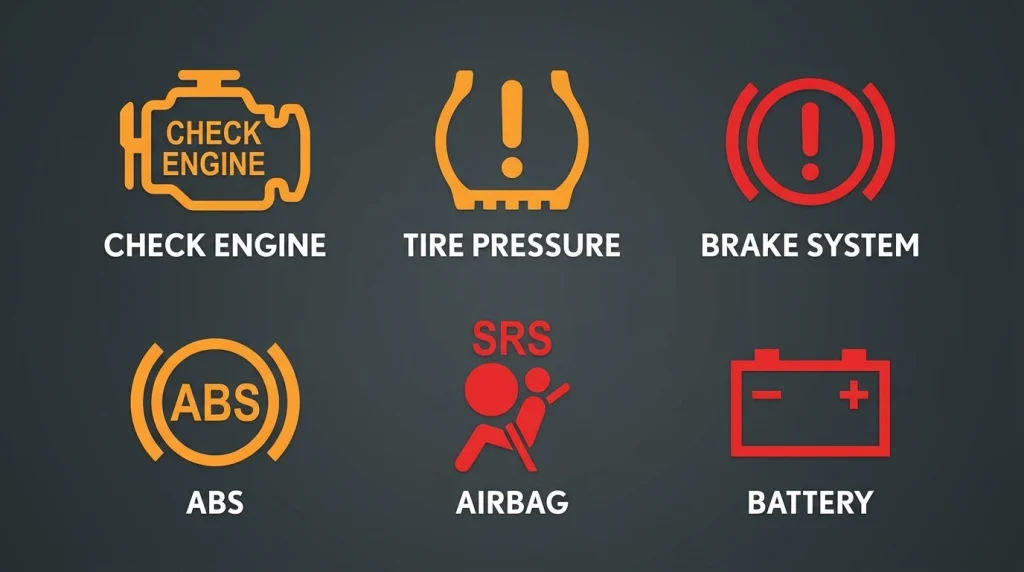
Several warning lights appearing together can result from one underlying fault rather than multiple independent failures.
Weak 12-Volt Battery or Charging Problem
A weak 12-volt battery, poor connection, or charging-system fault can cause electrical systems to behave abnormally. A technician can test the battery and charging system rather than replacing parts based on guesswork.
Sensor or Electrical Fault
A damaged wire, faulty sensor, or control-system problem can affect several features. A diagnostic scan can help identify the source.
Blocked Driver-Assistance Sensors
Dirt, mud, heavy rain, or an obstruction around a camera or radar sensor may temporarily affect assistance systems. Clean the relevant areas according to the manual and check whether the warning clears.
What Should You Do First?
- Read the dashboard message and check whether the vehicle instructs you to stop.
- Assess whether braking, steering, engine temperature, or power has changed.
- Note the exact symbols and messages.
- If no urgent warning is present, arrange a diagnostic scan when needed.
- Do not disconnect the battery or clear fault codes simply to hide the warnings.
If the vehicle behaves abnormally or multiple serious warnings appear, stop safely and seek professional assistance.
How to Troubleshoot a Lexus Dashboard Warning Light
Step 1: Identify the Symbol
Look carefully at the icon, color, and whether it is flashing or steady. Take a photograph only when the vehicle is safely parked.
Step 2: Read the Dashboard Message
Many Lexus models display additional instructions on the multi-information display. Follow any instruction to stop or seek immediate inspection.
Step 3: Check for Obvious, Safe-to-Check Issues
You may be able to check whether the parking brake is released, a door is closed, washer fluid is low, or tire pressure needs attention. Do not inspect hot engine components or touch high-voltage systems.
Step 4: Use the Correct Owner’s Manual
Visit the official Lexus Owner Resources page to find manuals for supported vehicles. Select the appropriate model and year.
Step 5: Arrange Professional Diagnosis
A qualified technician can read diagnostic trouble codes, inspect components, and determine the underlying cause. A dashboard warning identifies a condition or system; it does not always identify the failed part.
Frequently Asked Questions
What do Lexus dashboard warning lights symbols mean?
They communicate information about the engine, brakes, tires, electrical systems, safety features, and vehicle operation. The exact meaning depends on the symbol, model, model year, and accompanying message.
What does the yellow triangle with an exclamation mark mean on a Lexus?
It commonly represents the master warning light. Read the dashboard display to identify the issue and follow the instructions provided.
Can I drive my Lexus with the check engine light on?
A steady light may allow cautious driving to a service facility if the vehicle behaves normally and the manual does not instruct you to stop. A flashing light, rough running, or loss of power requires urgent attention.
Why does my Lexus tire pressure light stay on after inflation?
The tire may still be underinflated, have a leak, or require the model-specific TPMS procedure. A sensor fault is also possible. Check all tires when cold and follow the owner’s manual.
Why are all my Lexus dashboard warning lights on?
A weak 12-volt battery, charging problem, electrical fault, or shared system issue may trigger several warnings. The correct diagnosis depends on the messages and symptoms, so a professional scan may be necessary.
What does CHECK HYBRID SYSTEM mean on a Lexus?
It indicates a potential fault involving the hybrid powertrain or a related system. Follow the dashboard instructions and seek qualified service. Stop safely if instructed.
Do Lexus dashboard warning lights mean the same thing on every model?
No. Symbols and instructions can differ by model, year, trim, and powertrain. Always consult the manual for your exact vehicle.
How do I reset a Lexus dashboard warning light?
The correct procedure depends on the warning. Some lights clear when the underlying problem is resolved, while maintenance reminders may have a prescribed reset procedure. Diagnose and correct a fault before attempting to clear its warning.
Why do dashboard lights come on when I start my Lexus?
Many indicators illuminate briefly during the vehicle’s initial system check. They should behave as described in the owner’s manual. A warning that remains on or returns may indicate a fault.
Where can I find a Lexus dashboard warning lights chart?
Start with your vehicle’s owner’s manual or the official Lexus owner resources website. The manual provides model-specific warning symbols and instructions.
Conclusion
Understanding Lexus dashboard warning lights symbols helps you identify potential problems and respond appropriately. From check engine and oil pressure warnings to tire pressure, ABS, airbag, and hybrid-system indicators, each symbol provides useful information about your vehicle.
The most important step is to identify the exact warning and understand its urgency. Stop safely when required, read any accompanying dashboard message, and consult the owner’s manual for your specific Lexus.
If you cannot identify a symbol, note your Lexus model, model year, and the exact warning message. These details will help you find a more precise explanation and determine the safest next step.

I’m Hugo Wetherby, a British author interested in the numbers behind everyday questions. I explore quantities, populations, measurements, records, comparisons, and surprising statistics, turning complicated information into accessible answers. I believe a simple “how many” question can lead to fascinating discoveries, and I enjoy helping readers find those answers.
Books:
How Many? A Guide to Everyday Numbers
The Great Book of Numbers and Quantities